



















Within AIM ATTITUDE®, practicing a positive mindset means noticing emotional experience, reflecting on the circumstances, and choosing a constructive direction. The five practices below connect self-awareness with behavior in everyday life.
AIM ATTITUDE® brings these elements together through a Human Experience philosophy centered on identity, emotional intelligence, human connection, creativity, and purpose.
A positive mindset gains a daily expression when reflection becomes a conscious choice. Positive actions might include returning with promised information, recognizing a helpful contribution, or choosing a respectful response while a question remains unresolved.
1. Create Space for Reflection
Reflection invites us to notice emotions, values, and intentions before choosing a response.
A few useful questions can be simple: What am I feeling? What influenced that feeling? What matters to me here? What direction do I want to take next?
Journaling, quiet time, walking, creative expression, or conversation can all become ways to reflect.
Put the reflection into practice: Write one sentence about the situation, one feeling you recognize, and one available choice.
2. Understand the Connection Between Emotion and Mindset
Emotions influence how situations are interpreted. Interpretation influences thought, and repeated thought can influence mindset.
Greater emotional awareness can help us recognize when a temporary feeling is shaping a much larger conclusion about ourselves or our circumstances.
Understanding the emotion creates room for clarity.
Put the reflection into practice: Record what happened and what remains unclear before deciding what the experience means.
3. Focus on the Next Conscious Action
A large goal can feel distant. A single conscious action is immediate.
That action may be sending a message, beginning a project, resting, creating a boundary, learning a new skill, apologizing, asking a question, or returning to a meaningful passion.
Direction is often created through these smaller moments.
Put the reflection into practice: Choose one specific next action and a realistic time to review the result.
4. Pay Attention to Your Environment
Physical and emotional environments influence energy, creativity, concentration, and connection. The people, media, spaces, routines, and conversations around us can shape the way we feel and think.
Awareness helps us recognize environments that support clarity and circumstances that challenge our sense of direction.
Put the reflection into practice: Notice one part of the environment you can adjust, such as a distraction, an arrangement, or a source of useful information.
5. Choose a Direction That Feels True
Personal direction grows from understanding personal values and expressing those values through conscious choices.
A direction can change as awareness grows. Choosing again is part of becoming.
Put the reflection into practice: Name a value and one behavior that would express that value in the next situation you encounter.
I AIM, I AM
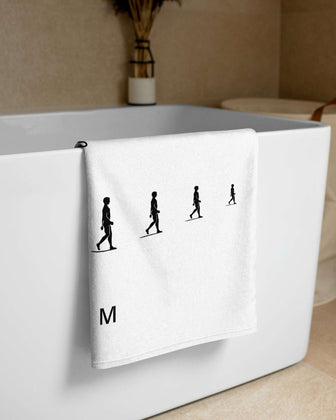
In the AIM identity, the human figure forms the “I.” The person stands at the center of the decision. The choice creates a direction, and that direction becomes part of the identity being formed.
I AIM, I AM.
AIM ATTITUDE exists to bring that relationship between awareness, choice, emotion, and identity into everyday human experience.
Explore AIM ATTITUDE or visit Service Diaries, an AIM digital experience currently in development.